What a Junior Gold Drilling Program Actually Involves
From claim maps to core boxes, a drilling campaign is slower and more expensive than a news release makes it sound.
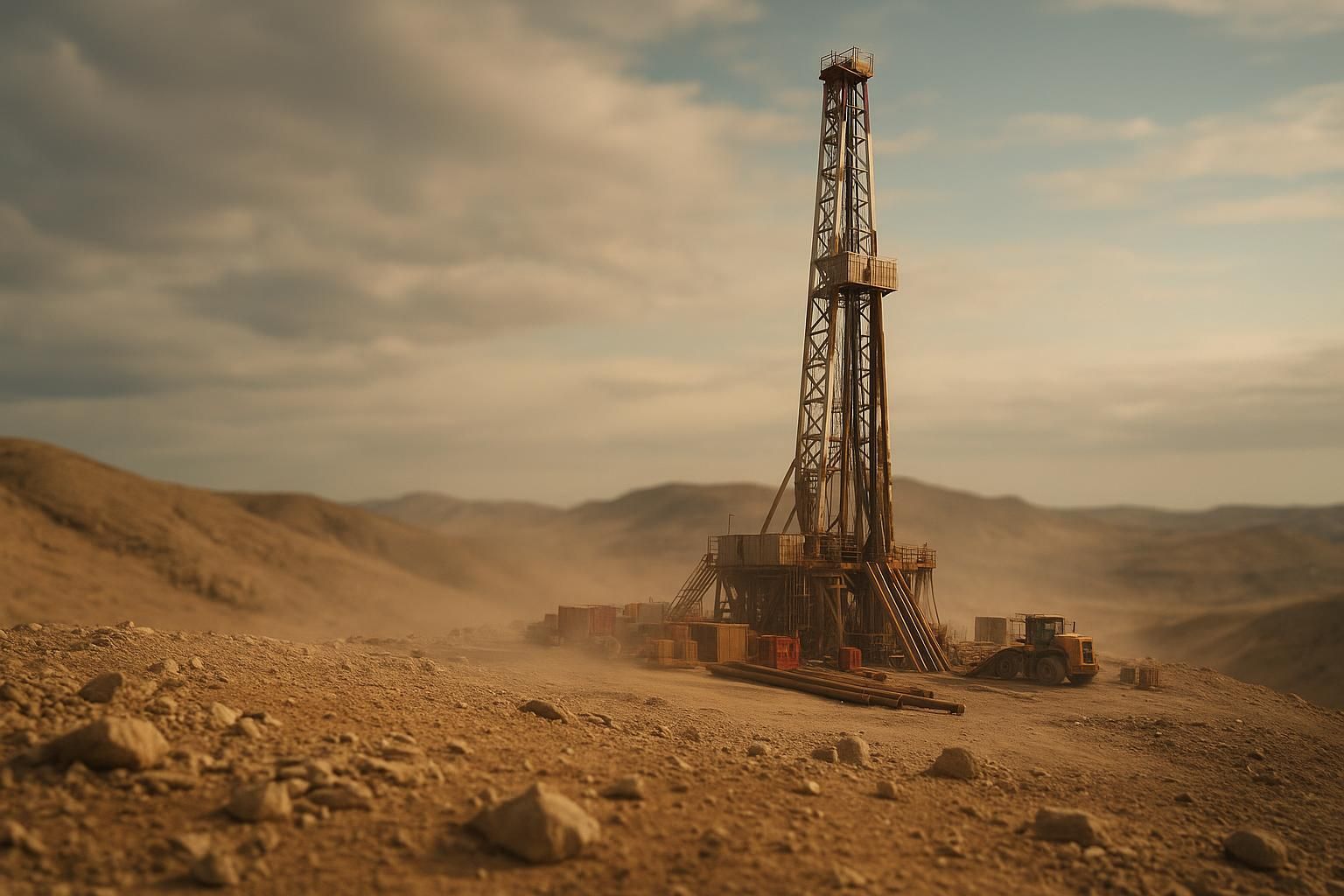
A drilling program sounds simple in a news release: the company drills, hits gold, the stock rises. On the ground it is slower, more expensive, and far more uncertain than that. Understanding what actually happens between "commenced drilling" and "assay results received" tells you why exploration takes years and why most programs end in disappointment. Using a project like Twin Peaks as the setting, here is what a real campaign involves.
Before the drill turns
Long before a rig arrives, the company has to earn the right to drill. That means holding the claims in good standing, mapping and sampling the surface to pick targets, and, on federal land, clearing the permitting hurdle. A drill program on public land needs approval from the Bureau of Land Management, and depending on the scale, that can mean a notice or a full plan of operations with reclamation bonding. This paperwork alone can take months, which is why "we are about to drill" and "we are drilling" are very different milestones.
Getting a rig to remote ground
Exploration targets are often on rough, roadless terrain. Before drilling, crews may need to build or improve access roads and prepare level drill pads. Then the rig, water, and crew have to be mobilized to a remote site and kept supplied. In arid country like the Arizona high desert, water for drilling is itself a logistical problem. All of this costs money before a single meter of rock is cut, and it is why a modest program can run into the millions.
- Permitting
- BLM notice or plan of operations, plus bonding
- Access
- Roads, drill pads, water, and mobilizing the rig
- Drilling
- Core or reverse-circulation holes, meter by meter
- Assaying
- Samples to an independent lab; weeks for results
- Interpretation
- Do the holes connect into something worth chasing
The drilling itself
Two main methods dominate. Reverse-circulation drilling is faster and cheaper and produces rock chips, good for a first pass. Diamond core drilling is slower and costlier but recovers a solid cylinder of rock that geologists can examine directly, giving the best data. A program logs and splits the core or chips, sends samples to an independent assay lab, and waits. Lab turnaround takes weeks, and during that gap the company knows little more than the market does. The rock that looks promising in the core box often comes back with unremarkable numbers.
By the time you read "encouraging visuals," the only thing that matters, the assay, is still sitting in a lab queue.
Why most programs disappoint
Exploration is a filter that removes far more targets than it advances. A first-phase program is designed to fail cheaply on bad targets and to justify more spending on good ones. Even a decent result usually means another round of drilling, more money raised, and more dilution, not a mine. The base rate is humbling: the overwhelming majority of drilled targets never become deposits, and the overwhelming majority of deposits never become mines.
What to take from it
Judge a drilling story by its pace and its evidence, not its enthusiasm. Permitting cleared, meters actually completed, samples at the lab, and assays reported to a recognized standard are real steps. A video of a rig on a ridge is not a result. For how to read the numbers when they do arrive, see reading a Phase 1 and Phase 2 drill report, and for the permitting path, see mining plans of operation and BLM permitting. This is educational content, not investment advice.
Related Coverage
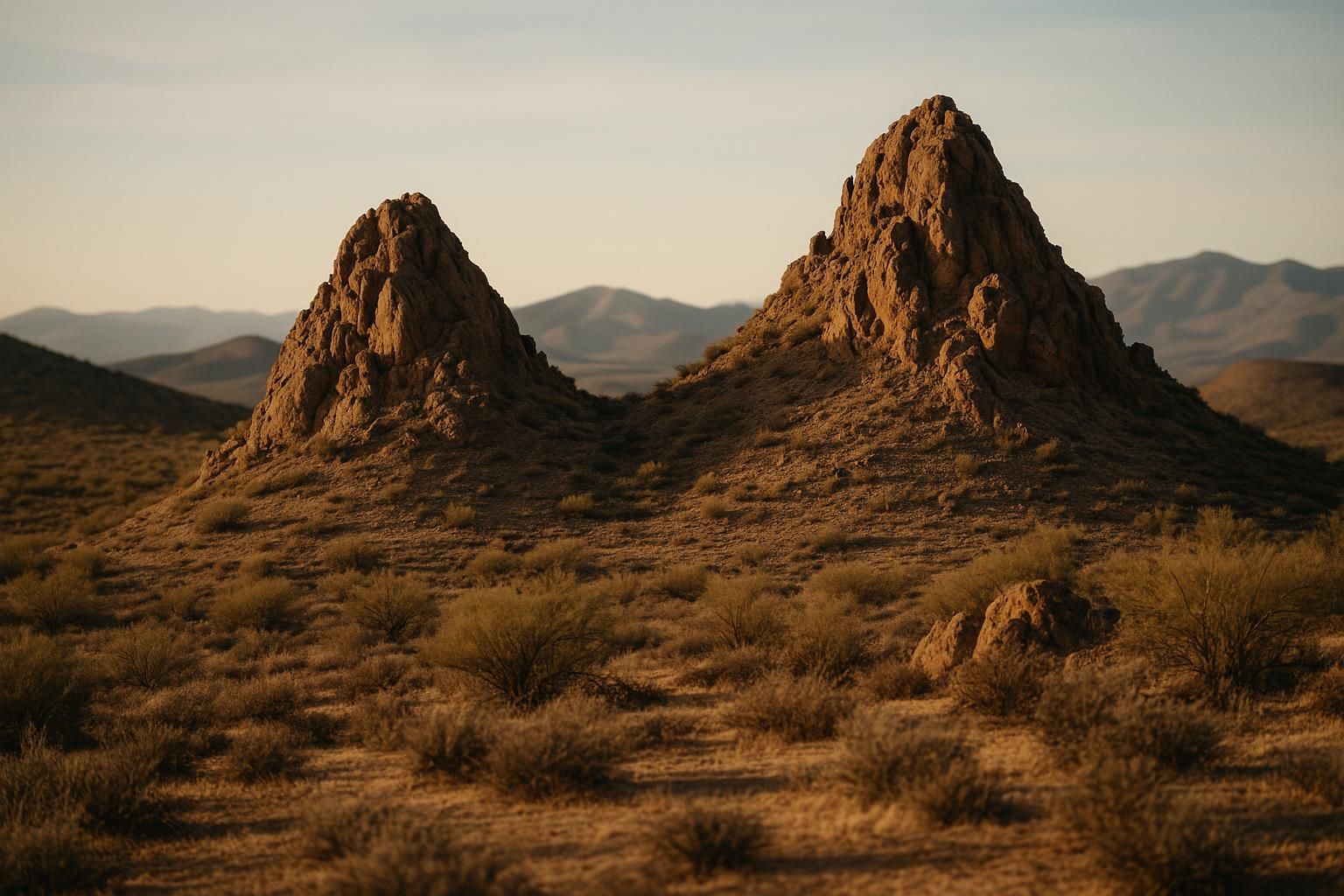
Twin Peaks: A Gold-Silver Exploration Story in Yavapai County
An exploration property in Arizona's Eureka Mining District, near Bagdad, has drawn small-cap attention for years. What the ground actually holds.
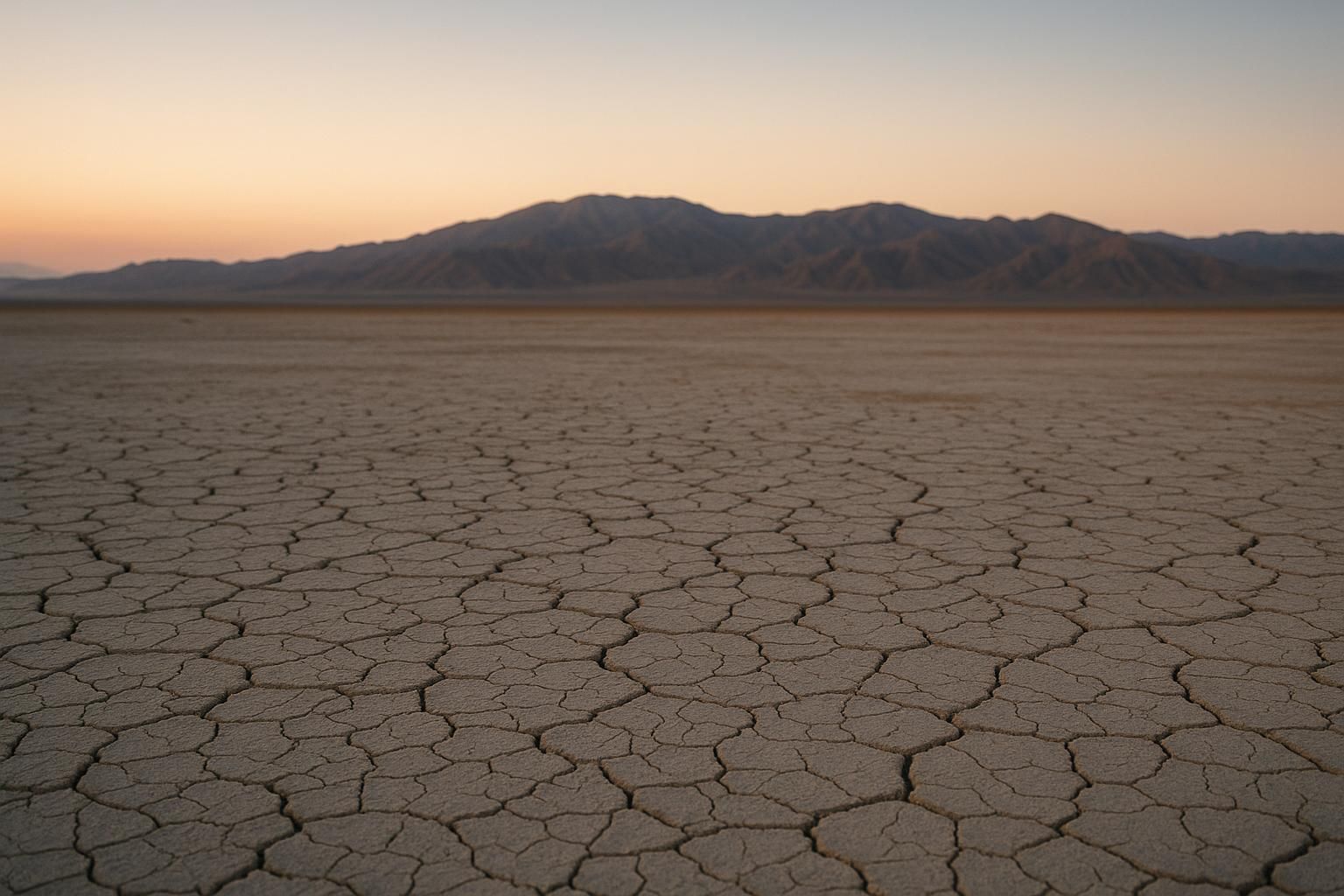
Picacho-Salton: Gold on the Edge of the Mesquite District
A cluster of lode and placer claims in Imperial County sits beside one of California's few operating gold mines. Geography is doing a lot of work here.
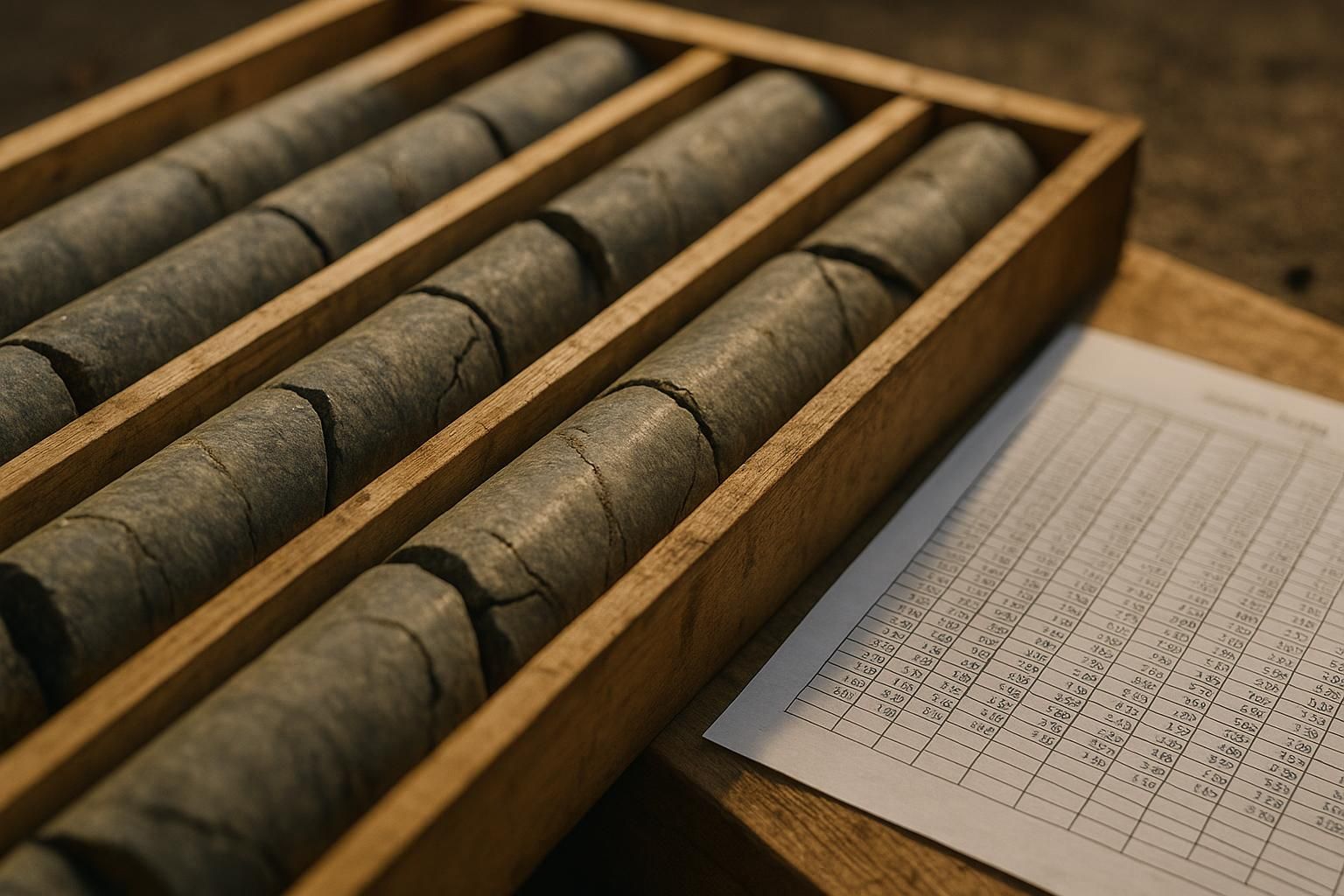
Reading a Phase 1 and Phase 2 Gold Drill Report
Grams per tonne, intercept width, true thickness. A short guide to the numbers a drill program actually produces.
US Gold Exploration Projects Worth Watching in 2026
A tour of active exploration ground across Nevada, Arizona, and California, and how to judge which stories have substance.