Gold Mining Stocks: A Practical Guide for 2026
Producers, developers, and explorers behave nothing alike. A framework for telling them apart before you buy.

Buying a gold mining stock is not the same as buying gold. It is a bet on a business that happens to sell gold, with all the operational, financial, and management risk that any business carries, plus a few that are unique to digging metal out of the ground. Done well, mining shares give you geared exposure to a rising gold price. Done carelessly, they are a way to be right about gold and still lose money. This guide lays out how to tell the categories apart.
The three tiers, and why they matter
Gold equities fall into three broad groups that behave nothing alike. Confusing them is the most common mistake new buyers make.
Producers are companies that operate mines and sell gold today. They have revenue, costs, and cash flow you can measure. The large ones are diversified across several mines and countries. Their share prices track the gold price with some gearing, because their costs are relatively fixed while their revenue rises and falls with the metal.
Developers have a defined deposit but are not yet mining it, or are building the mine. They have a resource and often a feasibility study, but no meaningful revenue. The bet is execution: can they finance and build the mine on budget and turn a study into ounces. This is where financing and dilution risk bite hardest.
Explorers, the juniors, are looking for a deposit. Most have no revenue, no defined resource, and a story built on drill results and geology. They are the highest risk and highest potential reward, and the great majority never build a mine. We cover them in depth in junior gold miners explained.
The one number that separates good miners from bad
For producers, the figure that matters most is all-in sustaining cost, or AISC. It is the cost to produce an ounce of gold including the spending needed to keep production going. A miner with an AISC of, say, 1,300 dollars an ounce makes money at any gold price above that and makes a lot at 2,000. A miner at 1,800 has a thin margin and gets crushed if gold falls. When gold rises, the low-cost producer sees profits expand fastest, which is the gearing investors are paying for.
- Tier
- Producer, developer, or explorer, they are different risks
- All-in sustaining cost
- The margin at today's gold price; lower is safer
- Jurisdiction
- Where the mines are, and the political and permitting risk there
- Balance sheet
- Debt, cash, and whether they need to issue stock soon
- Reserves
- Years of mine life left, and whether they are replacing what they dig
Gearing cuts both ways
The appeal of a producer is operating gearing. If gold rises twenty percent and a miner's costs hold, its profit margin can rise far more than twenty percent, and the stock can outrun the metal. That is the whole reason to take mining risk instead of just buying bullion. The catch is symmetry: when gold falls, the same gearing works in reverse, and a high-cost miner's equity can be halved by a move that only dents the gold price. Miners magnify a view on gold, in both directions.
Jurisdiction and management
Two ounces of gold in the ground are not worth the same if one is in Nevada and the other is in a country prone to seizing mines or rewriting royalties. Jurisdiction risk is real and it is priced. So is management: mining is a business of capital allocation and operational discipline, and a team with a record of building mines on budget is worth a premium over promoters who have raised money for a decade without producing anything.
You are not buying gold. You are buying the people who dig it, the ground they dig, and the balance sheet that pays for it.
The simplest way in
For investors who want exposure to the sector without picking a single company, gold-miner funds and ETFs spread the bet across many names. The larger funds hold producers; the junior-focused funds hold higher-risk developers and explorers and swing harder. That diversification removes single-company blowup risk at the cost of the upside a single winner can deliver. For how these shares trade at the small end of the market, see how OTC gold mining stocks actually work, and to read the financials behind them, see reading a junior miner's financial reports.
None of this is a recommendation to buy any security. It is a framework for asking better questions before you do.
Related Coverage
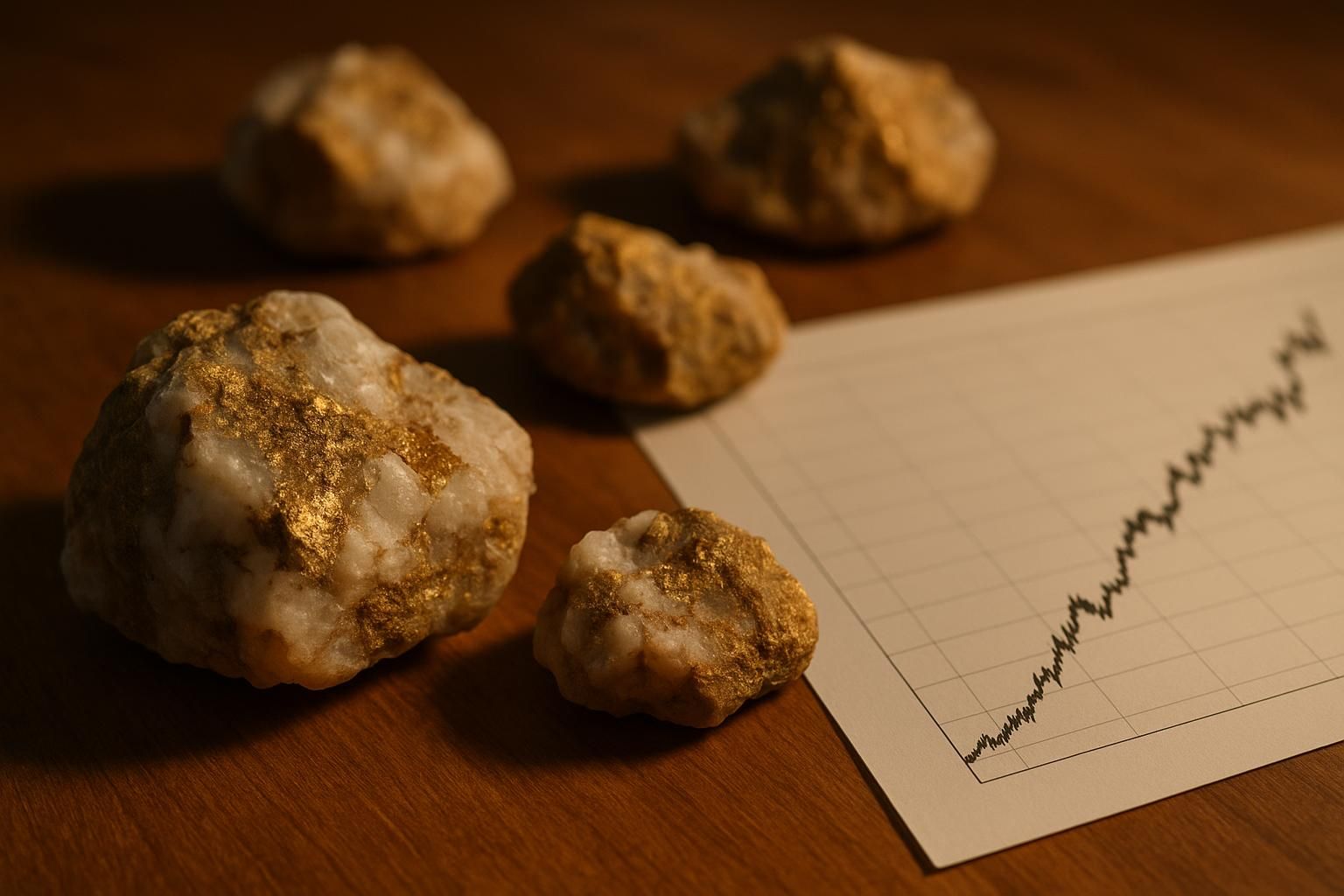
Junior Gold Miners, Explained
They drill, they dilute, and most never pour an ounce. Why the sector exists and how to read a junior without getting burned.

How OTC Gold Mining Stocks Actually Work
Penny-stock explorers trade over the counter, not on the big boards. The plumbing matters more than most buyers realize.
How to Read a Junior Gold Miner's Financial Reports
No revenue, steady losses, and a cash runway measured in quarters. For an explorer, that can be normal. Here is what to check.
Investor Relations at Junior Miners: Signal vs Noise
A steady drip of upbeat news releases is not the same as progress. How to separate real milestones from promotion.