Is Gold a Good Investment Right Now?
Gold pays no yield and does nothing but sit there. That is the point, and also the catch. A clear-eyed look.
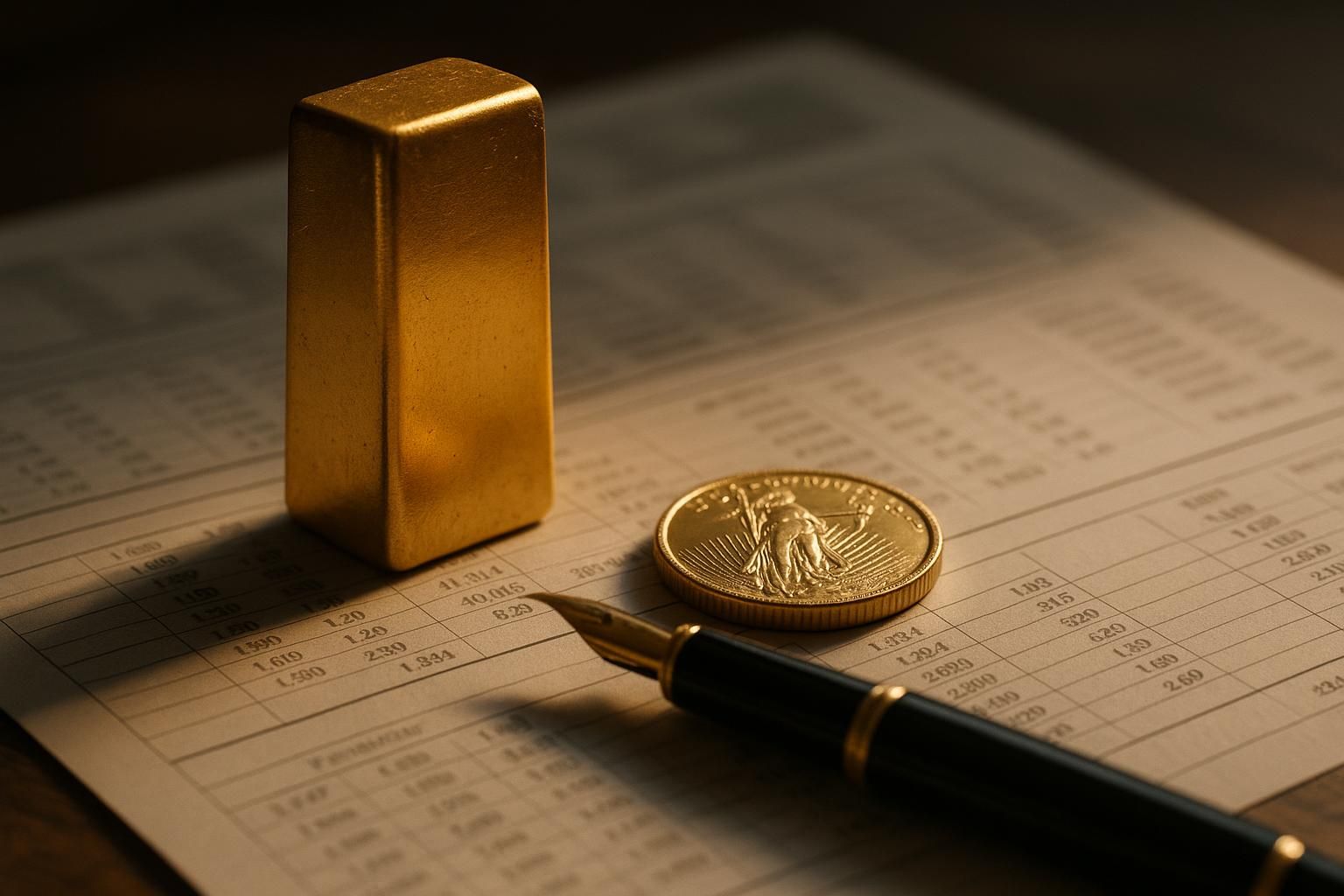
Ask whether gold is a good investment and you will get an argument, because the honest answer is that it depends on what you want it to do. Gold pays no dividend, earns no interest, and produces nothing. A share of a profitable company works for you; a bar of gold just sits in a vault. For some investors that is a fatal flaw. For others it is the entire appeal. Both can be right, because they are asking gold to do different jobs.
Here is a framework for deciding where, and whether, gold belongs in your portfolio, without the doom-mongering that usually comes attached to the question.
What gold is actually for
Gold is insurance, not income. Its job in a portfolio is to hold value when other things fail: when a currency is debased, when inflation runs hot, when markets seize and investors want an asset that is nobody else's liability. Over very long periods gold has roughly held its purchasing power. It has not made anyone rich through compounding, because it does not compound. It preserves rather than grows.
That framing dissolves most of the argument. If you want an asset that grows your wealth over decades, gold is a poor primary choice and history is clear on it. If you want an asset that is uncorrelated with stocks and can cushion a bad year, gold has a real record of doing that. The mistake is buying it for the first job and judging it by the second.
The case for owning some
Three arguments hold up. First, diversification: gold often moves differently from stocks and bonds, so a slice can lower the overall swing of a portfolio. Second, monetary hedging: gold has no counterparty and cannot be printed, which is exactly why central banks hold it and have been buying more of it. Third, tail protection: in the rare, severe events that hurt everything else at once, gold has a history of holding up or rising.
The case against overdoing it
The other side is just as real. Gold generates no cash flow, so its only return comes from someone paying more for it later. It can go nowhere for years, and it has had long stretches of doing exactly that in real terms. It carries costs that stocks do not: storage, insurance, and dealer spreads on physical metal. And it can be volatile, capable of falling fifteen percent in a quarter even during a long bull market. An investor who puts a large share of savings into gold is making a concentrated bet, not playing it safe.
- Best at
- Preserving value, diversifying, hedging monetary risk
- Worst at
- Growing wealth, generating income, compounding
- Main costs
- Storage, insurance, and spreads on physical; no yield
- Typical role
- A minority allocation, not a core holding
How much, and in what form
There is no universal number, but the common view among allocators is that gold works as a minority position rather than a central one, often in the low-single to low-double digits as a percent of a portfolio. Enough to matter in a crisis, not so much that it drags on returns for a decade of calm. The right figure depends on your other holdings, your time horizon, and how much currency and policy risk you are trying to insure against.
Form matters too. Physical bars and coins give you direct ownership and no counterparty, at the cost of storage and wider spreads. Gold funds and ETFs give you cheap, liquid exposure without the logistics, at the cost of holding a financial claim rather than metal. Mining stocks are a different animal entirely: a geared bet on the companies that produce gold, with their own operational risks. We break that trade down in physical gold vs mining stocks.
Gold is not a way to get rich. It is a way to stay rich when the things that made you rich stop working.
So, is it a good investment?
For most investors, a modest allocation to gold is a reasonable form of insurance, and 2026 is a period when the demand behind it, covered in our gold price outlook, is unusually strong. As a large bet meant to grow wealth, gold is a bad fit, and the long-run numbers say so. Decide which job you are hiring it for before you buy, and size it accordingly.
None of this is investment advice, and gold is not risk-free. It is a tool with a specific use. Match the tool to the job and it earns its place. Reach for it to do something it was never built for and it will disappoint you.
Related Coverage

Gold Price Outlook for 2026: What the Bull Case Rests On
Record central-bank demand, a softer dollar, and thin new supply have kept a floor under gold. Here is what still has to hold.
Central Bank Gold Buying and the New Demand Floor
Official-sector purchases have topped a thousand tonnes a year for three straight years. That changes how the whole market sits.
Gold Mining Stocks: A Practical Guide for 2026
Producers, developers, and explorers behave nothing alike. A framework for telling them apart before you buy.

Twin Peaks: A Gold-Silver Exploration Story in Yavapai County
An exploration property in Arizona's Eureka Mining District, near Bagdad, has drawn small-cap attention for years. What the ground actually holds.