US Gold Exploration Projects Worth Watching in 2026
A tour of active exploration ground across Nevada, Arizona, and California, and how to judge which stories have substance.
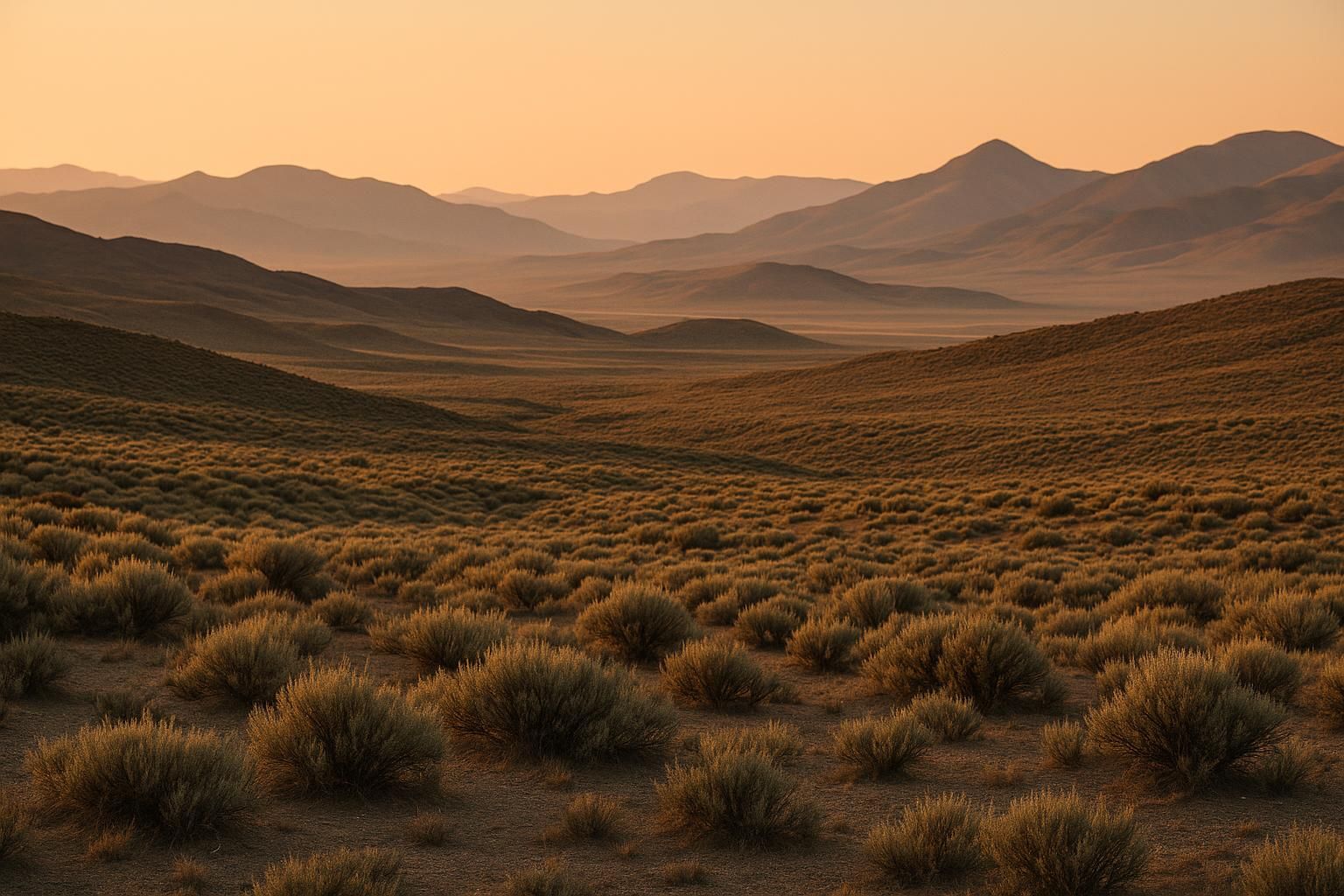
The United States is one of the world's major gold producers, and almost all of it comes from a handful of well-defined districts. For investors trying to make sense of the dozens of exploration companies claiming to sit on the next big discovery, geography is the first filter. Gold is not evenly spread across the country. It concentrates in specific belts, and a project's address tells you a great deal before you read a single drill result.
Nevada: the heart of US gold
Nevada produces the overwhelming majority of American gold, most of it from the Carlin-type deposits along a few northeast-trending trends, the Carlin and Cortez trends chief among them. These are large, disseminated, often invisible-gold systems mined at enormous scale. The state combines world-class geology with a stable, mining-friendly permitting regime, which is why it draws more exploration dollars than anywhere else in the country. A junior with credible ground on a known Nevada trend starts with the geology in its favor. The flip side is that the easy discoveries are long gone, and much of the remaining prize is deep and expensive.
Arizona: copper country with gold on the margins
Arizona is best known for copper, its giant porphyry systems among the largest in the world. But those same systems and the districts around them host gold and silver, and areas like Yavapai County have a long precious-metals history. Exploration here often chases veins and structurally controlled gold on the fringes of the big copper country. Our coverage of the Twin Peaks gold-silver project in the Eureka District is one example of that setting: prospective ground defined as much by its neighbors as by its own past production.
- Nevada
- Carlin and Cortez trends; most US gold, mining-friendly rules
- Arizona
- Copper porphyry country with gold-silver on the margins
- California
- The Mesquite District and Mother Lode; heavier permitting load
- Others
- Colorado, Montana, Alaska, and the historic Southeast
California: real gold, harder ground to permit
California built its name on gold, and it still produces it, chiefly from the Mesquite Mine in the southeast desert. Deposits there tend to be the oxidized, heap-leachable type that suits low-grade bulk mining. The geology is genuine, but California carries a heavier environmental and permitting burden than Nevada, so a project's cost and timeline matter as much as its grade. Our look at the Picacho-Salton claims in the Mesquite District covers that trade-off.
How to judge a project story
Address gets a project onto your list. It does not get it a place in your portfolio. Once past the geography filter, the questions are the same everywhere: is there real data, drill results with grade and true width, or only surface samples and adjectives; does the company have the cash to reach a meaningful result; and is the ownership clean or diluted by earn-ins and royalties. Most exploration stories fail these tests, which is exactly why the ones that pass are worth the work.
Start with the map. A project in the wrong geology rarely becomes a mine no matter how good the presentation is.
The realistic frame
For every project that becomes a mine, hundreds are drilled and abandoned. Watching US exploration is less about finding the one winner in advance and more about understanding the districts well enough to know which stories are even plausible. Ground the research in public data: the U.S. Geological Survey's mineral resources database, state geological surveys, and company filings. For the legal basis of all this exploration, see unpatented lode and placer claims explained. This is analysis, not investment advice.
Related Coverage
Twin Peaks: A Gold-Silver Exploration Story in Yavapai County
An exploration property in Arizona's Eureka Mining District, near Bagdad, has drawn small-cap attention for years. What the ground actually holds.
Picacho-Salton: Gold on the Edge of the Mesquite District
A cluster of lode and placer claims in Imperial County sits beside one of California's few operating gold mines. Geography is doing a lot of work here.
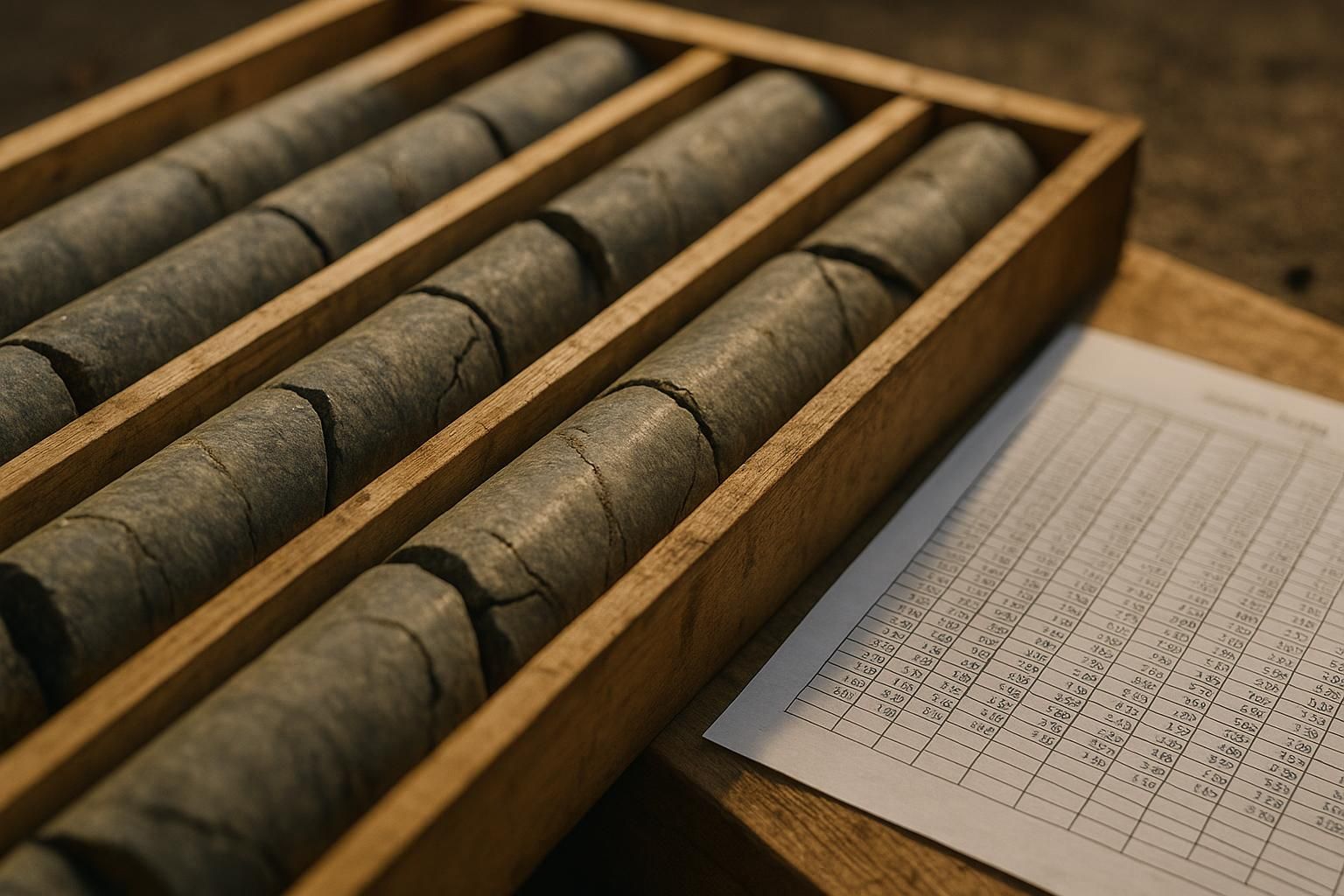
Reading a Phase 1 and Phase 2 Gold Drill Report
Grams per tonne, intercept width, true thickness. A short guide to the numbers a drill program actually produces.
What a Junior Gold Drilling Program Actually Involves
From claim maps to core boxes, a drilling campaign is slower and more expensive than a news release makes it sound.